
Summary of Keypoints
- Child support covers basic necessities, not extracurriculars: The article explains that child support is intended for essentials like food, clothing, and housing, while costs such as extracurricular activities, uncovered medical expenses, and educational costs are typically separate.
- Extracurricular expenses should be addressed in the separation agreement: Parents are encouraged to plan ahead by deciding how activities like sports, dance, or camps will be handled, rather than assuming child support covers them.
- Cost-sharing options can be flexible but should be clear: Possible approaches include splitting costs evenly, dividing them proportionally by income, or agreeing in advance on how specific fees (like registration versus equipment) will be handled to avoid disputes.
- Setting limits helps prevent future conflict: Agreements can include caps on annual extracurricular spending or limits on the number of activities per year to provide predictability and reduce disagreements.
- Decisions should prioritize the child’s best interests and balance: The article emphasizes centering discussions on the child’s opportunities and well-being while also considering the impact on finances and parenting time.
If your former spouse is paying child support, what is that money intended for? Child support covers the essentials such as food, clothing, and a place to live.
Costs for a child can be extensive. What happens when you ask your former spouse to help pay for an extracurricular activity that your child is participating in? He or she might tell you that’s what child support is for.
Here are some everyday expenses that child support wasn’t meant to cover:
- Uncovered medical expenses
- Extracurricular activities
- Educational costs
Co-parenting Wins Out
Although one person will be paying the other, the money benefits the child. When you meet with your spouse—or negotiate through an attorney—take the personal pronouns out of it. I want X amount of money. Turn the conversation into something centered around your child.
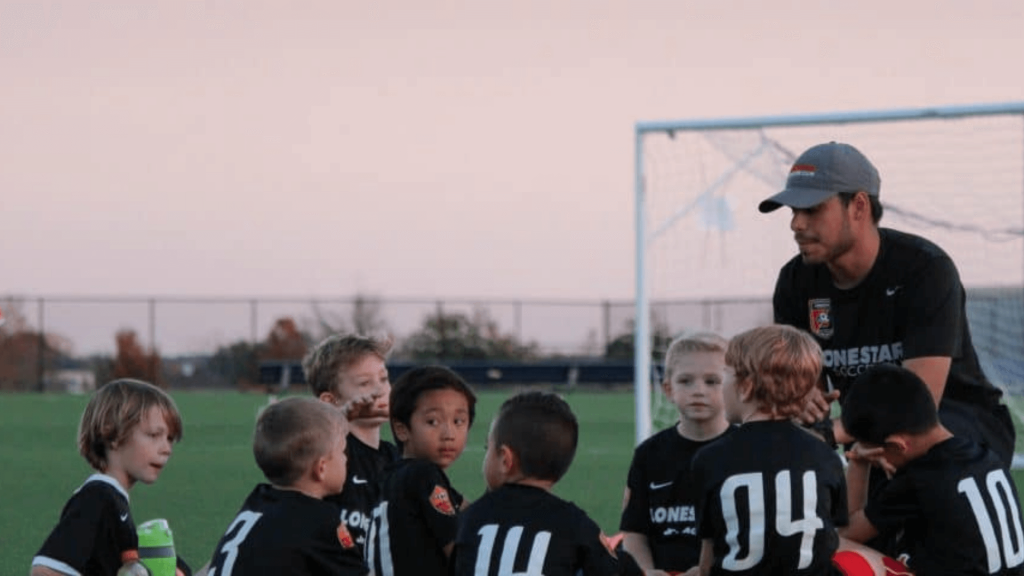
Allow you and your former spouse to think about your child getting the chance to participate in things like soccer, ballet, or a school play. Whether through lawyers or mediation, aim towards finding a solution.
Options For Splitting Costs
Maybe you and your spouse are comfortable financially. Evenly splitting costs for activities until the child turns 18 or graduates (whichever happens last) might be an option. But most people cannot commit to that because they aren’t that certain of their future income.
When you, your spouse, and your attorneys create your separation agreement, see if one person will pay extra for these activities. If not (and this is very possible), agree to agree. Say you will discuss activities and agree on them ahead of time as they happen. Some questions to consider:
- How will the costs be split?
- Will you split 50/50 or proportionally by income?
- If travel is required, will that be split?
Extracurricular activities usually have costs or fees, and there are additional needs. A soccer camp might require an upfront fee. But there is also equipment and uniforms to purchase.
One option is to agree to split the fees only. This is a concrete cost. Equipment may be less so. For example, do you buy soccer cleats for $60 or $120? This could lead to disagreements. Remove the variables.
Other Considerations
The more options you have available, the more chances you will reach an agreement with your former spouse. And this is in the best interest of your child (more on that in a minute).
Last suggestion: either limit the number of extracurricular activities to a specific number (i.d., your spouse and you will split 1 activity a year) or set a cap. Your separation agreement could state that the costs for extracurricular activities won’t exceed X dollars per year. (This budget could also resolve the dilemma about which cleats to buy.)
Everything should be in the best interest of your child. Think about how these activities will impact visitation. Team sports, after-school plays, and hobbies are important. But so is spending time with parents. Work to strike a balance between them.
Easterling Law, PLLC
At Easterling Law, we want to help you through your divorce while minimizing the negative aspects—for both you and your children. If you are about to separate or divorce, Let’s Connect. Contact Easterling Law to set up your consultation. We want what is best for you, for your child, and your future.

- Dividing Retirement Accounts in a North Carolina Divorce: 401(k)s, Pensions, and QDROs - October 7, 2026
- Separation Agreements in Ballantyne, NC: What They Should Include - September 21, 2026
- Collaborative Divorce in North Carolina: A Gentler Path Forward - September 7, 2026
